-
-
-
Jakarta, Indonesia
Understanding Stunted Children: Chronic Growth Failure, Early-Life Risks, and Why It Matters Beyond Height
Top 5 Vegetables That May Enhance Immune Function: An Evidence-Based Nutritional Overview
-
 Post By
 -
Published
May 16, 2026
The immune system depends on an adequate and balanced supply of macro- and micronutrients to maintain effective innate and adaptive responses. Although no single food can prevent infection or independently “boost” immunity in a simplistic sense, regular consumption of nutrient-dense vegetables can support normal immune function by providing vitamins, minerals, fiber, and bioactive compounds involved in antioxidant defense, inflammatory regulation, epithelial barrier integrity, and cellular immune activity. From a nutritional science perspective, vegetables with high concentrations of vitamin C, provitamin A carotenoids, folate, sulfur-containing compounds, and polyphenols are of particular relevance to immune health.
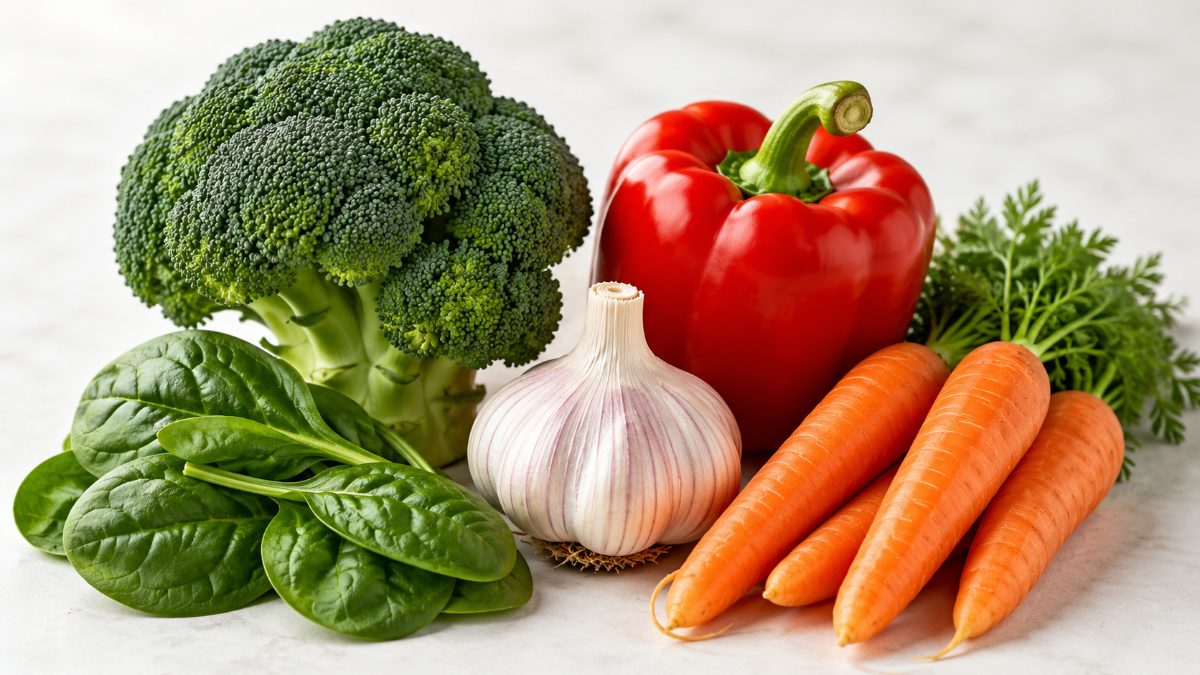
Among the vegetables commonly recommended for immune support, broccoli stands out because of its broad nutrient density. Broccoli provides vitamin C, vitamin K, folate, and multiple phytochemicals, including glucosinolates and their derivatives such as sulforaphane. Vitamin C is essential for numerous immune processes, including leukocyte function, protection against oxidative stress, and support of epithelial barrier defense. Sulforaphane has attracted scientific interest for its potential to modulate oxidative stress responses through activation of cytoprotective pathways, particularly those related to nuclear factor erythroid 2-related factor 2 (Nrf2). In addition, broccoli contributes dietary fiber, which may indirectly influence immune regulation through beneficial effects on the gut microbiota. Because a substantial proportion of immune activity is linked to the gastrointestinal system, foods that support microbial diversity and intestinal homeostasis may offer broader immunological benefits beyond their vitamin content alone.
Spinach is another vegetable of significant nutritional interest for immune support. It contains folate, vitamin C, provitamin A carotenoids, iron, and a range of polyphenolic compounds. Folate is required for DNA synthesis and cell division, making it particularly important for rapidly proliferating immune cells during an active immune response. Provitamin A carotenoids contribute to the maintenance of mucosal surfaces and epithelial integrity, both of which represent critical first-line defenses against pathogens. Spinach also contains non-heme iron, a mineral involved in oxygen transport and immune cell proliferation, although its absorption is influenced by other dietary factors. When combined with vitamin C-rich foods, the bioavailability of plant-based iron may improve. From an academic nutritional perspective, spinach is valuable not because of one isolated compound, but because it provides a matrix of nutrients that collectively support immune competence and overall physiological resilience.
Garlic, while often categorized culinarily as a vegetable or seasoning plant, deserves inclusion because of its longstanding association with immune-related benefits. Garlic contains organosulfur compounds such as alliin, allicin, and other sulfur metabolites formed during crushing or chopping. These compounds have been investigated for antimicrobial, antioxidant, and immunomodulatory properties. Although clinical findings remain heterogeneous and should not be overstated, garlic may contribute to health-supportive dietary patterns through its capacity to supply bioactive compounds that interact with inflammatory and oxidative pathways. Experimental studies suggest that garlic-derived substances may influence cytokine production and aspects of innate immune function, though further high-quality human research remains necessary. Importantly, garlic is best viewed as a supportive dietary component rather than a therapeutic substitute. Its inclusion in regular meals can enhance both nutritional quality and culinary acceptability, thereby improving long-term adherence to vegetable-rich diets.
Carrots are widely recognized for their high content of beta-carotene, a provitamin A carotenoid that plays a central role in immune function. Vitamin A is essential for the development and maintenance of epithelial tissues, including those lining the respiratory and gastrointestinal tracts. These tissues act as physical and immunological barriers against invading pathogens. In addition, vitamin A contributes to the differentiation and regulation of immune cells, including lymphocytes. Carrots also provide fiber and other carotenoids, which may contribute to antioxidant protection. Beta-carotene itself has antioxidant properties, although its physiological significance depends on the broader dietary context. The value of carrots for immune health lies not only in their carotenoid density but also in their accessibility, versatility, and suitability for long-term dietary incorporation. From a public health standpoint, vegetables that are affordable and widely consumed can have substantial population-level relevance.
Red bell peppers are among the richest vegetable sources of vitamin C and therefore merit particular attention in discussions of immune-supportive foods. Vitamin C contributes to normal immune defense by supporting epithelial barrier function, leukocyte migration, phagocytosis, and protection against excessive oxidative damage during immune responses. Red bell peppers also provide carotenoids such as beta-carotene and capsanthin, as well as other antioxidant compounds. Compared with many other vegetables, their vitamin C concentration is notably high, making them an efficient dietary option for supporting recommended nutrient intake. Because vitamin C is sensitive to prolonged heat exposure, preparation methods may influence retention; however, both raw and gently cooked red bell peppers remain nutritionally valuable. In academic nutrition, red bell peppers are often highlighted as an example of how food-based strategies can help individuals meet micronutrient needs without relying exclusively on supplementation.
It is important to emphasize that immune health is shaped by dietary patterns rather than isolated “superfoods.” Broccoli, spinach, garlic, carrots, and red bell peppers each provide distinct but complementary nutritional attributes. Broccoli contributes vitamin C, folate, fiber, and glucosinolate-derived compounds; spinach supplies folate, carotenoids, and iron; garlic offers sulfur-containing phytochemicals; carrots are rich in beta-carotene; and red bell peppers deliver exceptionally high amounts of vitamin C alongside antioxidant pigments. When consumed as part of a varied diet that includes adequate protein, healthy fats, whole grains, legumes, fruits, and sufficient hydration, these vegetables may help maintain the nutritional foundations required for effective immune function. From a clinical and nutritional counseling perspective, the practical recommendation is not merely to consume these five vegetables occasionally, but to integrate them consistently into routine dietary habits. Rotating a variety of colorful vegetables across meals can help diversify micronutrient intake and phytochemical exposure. Moreover, dietary support for immunity should be accompanied by adequate sleep, regular physical activity, stress management, vaccination where appropriate, and management of chronic disease risk factors. Thus, the role of vegetables in immune health should be understood within a broader evidence-based model of preventive health.
In conclusion, broccoli, spinach, garlic, carrots, and red bell peppers represent nutritionally valuable foods that may support normal immune function through their combined content of vitamins, minerals, fiber, and bioactive compounds. While these vegetables should not be presented as cures or guaranteed protective agents against infection, their regular inclusion in a balanced diet is strongly consistent with current scientific understanding of nutritional adequacy and immune resilience. For both individual dietary planning and public health education, emphasizing whole vegetables remains a credible and practical strategy for supporting long-term immune health.
References
1. Gombart AF, Pierre A, Maggini S. A Review of Micronutrients and the Immune System–Working in Harmony to Reduce the Risk of Infection. Nutrients. 2020;12(1):236.
2. Carr AC, Maggini S. Vitamin C and Immune Function. Nutrients. 2017;9(11):1211.
3. Calder PC. Feeding the immune system. Proceedings of the Nutrition Society. 2013;72(3):299-309.
4. Calder PC. Nutrition, immunity and COVID-19. BMJ Nutrition, Prevention & Health. 2020;3(1):74-92.
5. Childs CE, Calder PC, Miles EA. Diet and Immune Function. Nutrients. 2019;11(8):1933.
6. Wu D, Lewis ED, Pae M, Meydani SN. Nutritional modulation of immune function: analysis of evidence, mechanisms, and clinical relevance. Frontiers in Immunology. 2018;9:3160.
7. Ross AC, Stephensen CB. Vitamin A and retinoids in antiviral responses. The FASEB Journal. 2020;34(10):12980-13000.
8. Percival SS. Aged garlic extract modifies human immunity. The Journal of Nutrition. 2016;146(2):433S-436S.
9. Nicastro HL, Ross SA, Milner JA. Garlic and onions: their cancer prevention properties. Cancer Prevention Research. 2015;8(3):181-189.
10. Zhang Y, Talalay P, Cho CG, Posner GH. A major inducer of anticarcinogenic protective enzymes from broccoli: isolation and elucidation of structure. Proceedings of the National Academy of Sciences. 1992;89(6):2399-2403.
11. Steinmetz KA, Potter JD. Vegetables, fruit, and cancer prevention: a review. Journal of the American Dietetic Association. 1996;96(10):1027-1039.
12. Li P, Yin YL, Li D, Kim SW, Wu G. Amino acids and immune function. British Journal of Nutrition. 2007;98(2):237-252.
Among the vegetables commonly recommended for immune support, broccoli stands out because of its broad nutrient density. Broccoli provides vitamin C, vitamin K, folate, and multiple phytochemicals, including glucosinolates and their derivatives such as sulforaphane. Vitamin C is essential for numerous immune processes, including leukocyte function, protection against oxidative stress, and support of epithelial barrier defense. Sulforaphane has attracted scientific interest for its potential to modulate oxidative stress responses through activation of cytoprotective pathways, particularly those related to nuclear factor erythroid 2-related factor 2 (Nrf2). In addition, broccoli contributes dietary fiber, which may indirectly influence immune regulation through beneficial effects on the gut microbiota. Because a substantial proportion of immune activity is linked to the gastrointestinal system, foods that support microbial diversity and intestinal homeostasis may offer broader immunological benefits beyond their vitamin content alone.
Spinach is another vegetable of significant nutritional interest for immune support. It contains folate, vitamin C, provitamin A carotenoids, iron, and a range of polyphenolic compounds. Folate is required for DNA synthesis and cell division, making it particularly important for rapidly proliferating immune cells during an active immune response. Provitamin A carotenoids contribute to the maintenance of mucosal surfaces and epithelial integrity, both of which represent critical first-line defenses against pathogens. Spinach also contains non-heme iron, a mineral involved in oxygen transport and immune cell proliferation, although its absorption is influenced by other dietary factors. When combined with vitamin C-rich foods, the bioavailability of plant-based iron may improve. From an academic nutritional perspective, spinach is valuable not because of one isolated compound, but because it provides a matrix of nutrients that collectively support immune competence and overall physiological resilience.
Garlic, while often categorized culinarily as a vegetable or seasoning plant, deserves inclusion because of its longstanding association with immune-related benefits. Garlic contains organosulfur compounds such as alliin, allicin, and other sulfur metabolites formed during crushing or chopping. These compounds have been investigated for antimicrobial, antioxidant, and immunomodulatory properties. Although clinical findings remain heterogeneous and should not be overstated, garlic may contribute to health-supportive dietary patterns through its capacity to supply bioactive compounds that interact with inflammatory and oxidative pathways. Experimental studies suggest that garlic-derived substances may influence cytokine production and aspects of innate immune function, though further high-quality human research remains necessary. Importantly, garlic is best viewed as a supportive dietary component rather than a therapeutic substitute. Its inclusion in regular meals can enhance both nutritional quality and culinary acceptability, thereby improving long-term adherence to vegetable-rich diets.
Carrots are widely recognized for their high content of beta-carotene, a provitamin A carotenoid that plays a central role in immune function. Vitamin A is essential for the development and maintenance of epithelial tissues, including those lining the respiratory and gastrointestinal tracts. These tissues act as physical and immunological barriers against invading pathogens. In addition, vitamin A contributes to the differentiation and regulation of immune cells, including lymphocytes. Carrots also provide fiber and other carotenoids, which may contribute to antioxidant protection. Beta-carotene itself has antioxidant properties, although its physiological significance depends on the broader dietary context. The value of carrots for immune health lies not only in their carotenoid density but also in their accessibility, versatility, and suitability for long-term dietary incorporation. From a public health standpoint, vegetables that are affordable and widely consumed can have substantial population-level relevance.
Red bell peppers are among the richest vegetable sources of vitamin C and therefore merit particular attention in discussions of immune-supportive foods. Vitamin C contributes to normal immune defense by supporting epithelial barrier function, leukocyte migration, phagocytosis, and protection against excessive oxidative damage during immune responses. Red bell peppers also provide carotenoids such as beta-carotene and capsanthin, as well as other antioxidant compounds. Compared with many other vegetables, their vitamin C concentration is notably high, making them an efficient dietary option for supporting recommended nutrient intake. Because vitamin C is sensitive to prolonged heat exposure, preparation methods may influence retention; however, both raw and gently cooked red bell peppers remain nutritionally valuable. In academic nutrition, red bell peppers are often highlighted as an example of how food-based strategies can help individuals meet micronutrient needs without relying exclusively on supplementation.
It is important to emphasize that immune health is shaped by dietary patterns rather than isolated “superfoods.” Broccoli, spinach, garlic, carrots, and red bell peppers each provide distinct but complementary nutritional attributes. Broccoli contributes vitamin C, folate, fiber, and glucosinolate-derived compounds; spinach supplies folate, carotenoids, and iron; garlic offers sulfur-containing phytochemicals; carrots are rich in beta-carotene; and red bell peppers deliver exceptionally high amounts of vitamin C alongside antioxidant pigments. When consumed as part of a varied diet that includes adequate protein, healthy fats, whole grains, legumes, fruits, and sufficient hydration, these vegetables may help maintain the nutritional foundations required for effective immune function. From a clinical and nutritional counseling perspective, the practical recommendation is not merely to consume these five vegetables occasionally, but to integrate them consistently into routine dietary habits. Rotating a variety of colorful vegetables across meals can help diversify micronutrient intake and phytochemical exposure. Moreover, dietary support for immunity should be accompanied by adequate sleep, regular physical activity, stress management, vaccination where appropriate, and management of chronic disease risk factors. Thus, the role of vegetables in immune health should be understood within a broader evidence-based model of preventive health.
In conclusion, broccoli, spinach, garlic, carrots, and red bell peppers represent nutritionally valuable foods that may support normal immune function through their combined content of vitamins, minerals, fiber, and bioactive compounds. While these vegetables should not be presented as cures or guaranteed protective agents against infection, their regular inclusion in a balanced diet is strongly consistent with current scientific understanding of nutritional adequacy and immune resilience. For both individual dietary planning and public health education, emphasizing whole vegetables remains a credible and practical strategy for supporting long-term immune health.
References
1. Gombart AF, Pierre A, Maggini S. A Review of Micronutrients and the Immune System–Working in Harmony to Reduce the Risk of Infection. Nutrients. 2020;12(1):236.
2. Carr AC, Maggini S. Vitamin C and Immune Function. Nutrients. 2017;9(11):1211.
3. Calder PC. Feeding the immune system. Proceedings of the Nutrition Society. 2013;72(3):299-309.
4. Calder PC. Nutrition, immunity and COVID-19. BMJ Nutrition, Prevention & Health. 2020;3(1):74-92.
5. Childs CE, Calder PC, Miles EA. Diet and Immune Function. Nutrients. 2019;11(8):1933.
6. Wu D, Lewis ED, Pae M, Meydani SN. Nutritional modulation of immune function: analysis of evidence, mechanisms, and clinical relevance. Frontiers in Immunology. 2018;9:3160.
7. Ross AC, Stephensen CB. Vitamin A and retinoids in antiviral responses. The FASEB Journal. 2020;34(10):12980-13000.
8. Percival SS. Aged garlic extract modifies human immunity. The Journal of Nutrition. 2016;146(2):433S-436S.
9. Nicastro HL, Ross SA, Milner JA. Garlic and onions: their cancer prevention properties. Cancer Prevention Research. 2015;8(3):181-189.
10. Zhang Y, Talalay P, Cho CG, Posner GH. A major inducer of anticarcinogenic protective enzymes from broccoli: isolation and elucidation of structure. Proceedings of the National Academy of Sciences. 1992;89(6):2399-2403.
11. Steinmetz KA, Potter JD. Vegetables, fruit, and cancer prevention: a review. Journal of the American Dietetic Association. 1996;96(10):1027-1039.
12. Li P, Yin YL, Li D, Kim SW, Wu G. Amino acids and immune function. British Journal of Nutrition. 2007;98(2):237-252.
Urinary Tract Infection Updates: Current Clinical and Public Health Developments
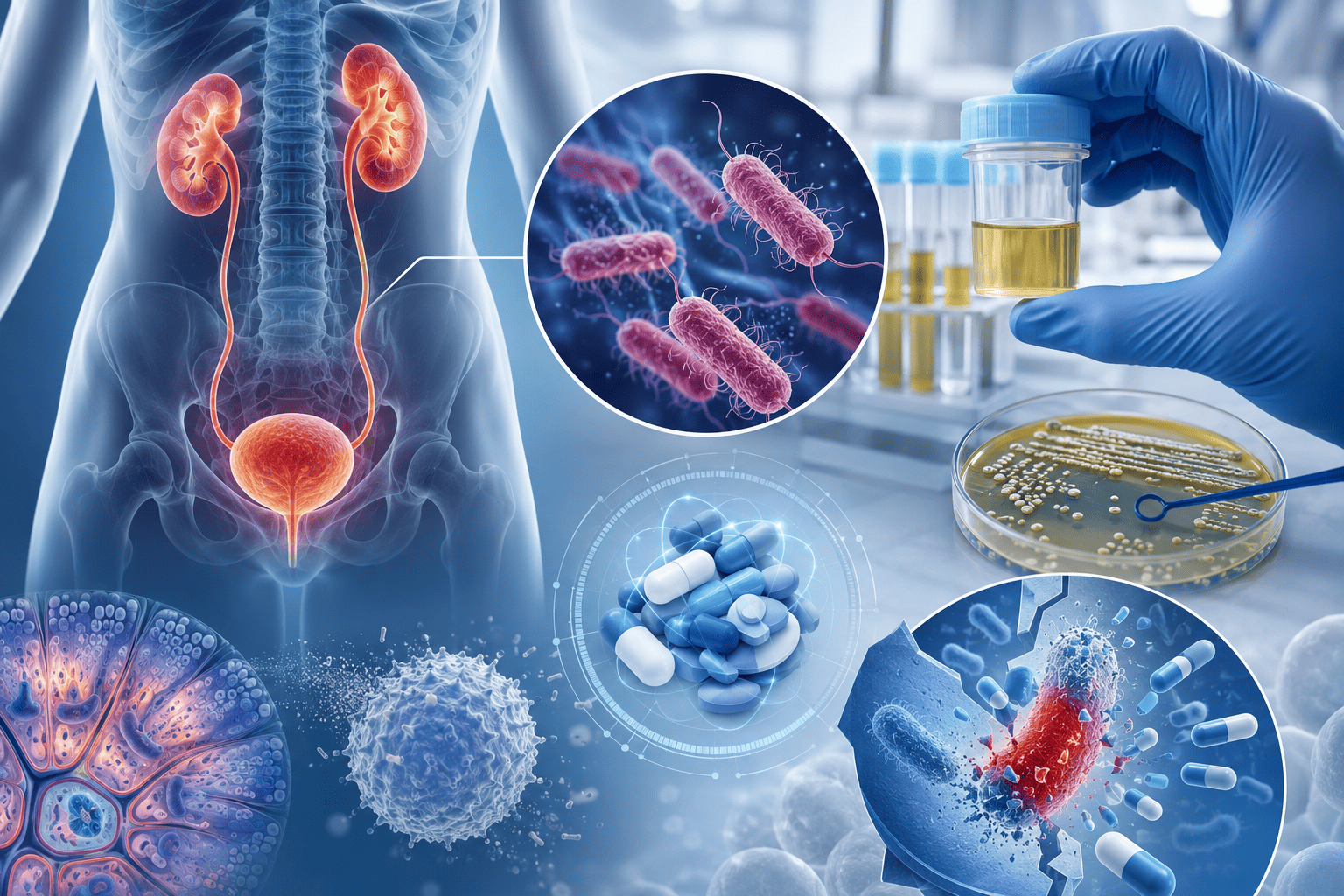
Urinary tract infection remains one of the most common bacterial infections globally, with current updates focusing on antimicrobial resistance, diagnostic stewardship, recurrent infection management, catheter-associated prevention, and emerging non-antibiotic strategies. This article reviews recent developments relevant to clinicians, researchers, and public health professionals.
Understanding Stunted Children: Chronic Growth Failure, Early-Life Risks, and Why It Matters Beyond Height
Stunting in children refers to impaired linear growth resulting from chronic undernutrition, repeated infection, and unfavorable early-life conditions. More than a matter of short stature, stunting reflects a broader process of biological and developmental disadvantage that can affect cognitive outcomes, school performance, and long-term health.


Blood Pressure Monitoring as a Public Health Priority: Strengthening Early Detection and Long-Term Cardiovascular Prevention
Blood pressure monitoring remains one of the most practical and impactful tools in public health for identifying hypertension early, guiding treatment decisions, and reducing long-term cardiovascular risk. Wider adoption of accurate office, community, and home-based monitoring strategies could significantly improve prevention of stroke, heart disease, kidney damage, and premature mortality.
3D Printing in Orthopaedics: Expanding Precision, Personalization, and Surgical Planning in Modern Musculoskeletal Care
3D printing is increasingly reshaping orthopaedic practice by improving preoperative planning, implant customization, anatomical modeling, and educational simulation. Although challenges remain in cost, regulation, and standardization, the technology is becoming an important tool in precision musculoskeletal care.