-
-
-
Jakarta, Indonesia
Internal Medicine
Internal Medicine
-
 Post By
 -
Published
February 2026
Precision Diabetology: Moving Beyond “Type 1 vs Type 2”
As genotyping and phenotyping improve, diabetes classification is becoming more nuanced than a simple binary. Precision approaches aim to match treatment strategy to underlying biology and risk, rather than relying on broad labels alone.
GLP-1 Agonists: Benefit, Trade-offs, and Monitoring
GLP-1 therapies have changed obesity and diabetes care. Alongside efficacy, clinicians and patients still need to understand tolerability (especially GI effects), dosing strategy, and safety monitoring.
The “second act” conversation explores benefits beyond weight—metabolic and cardiovascular impacts—while keeping realistic expectations and follow-up.
Kidneys and Hypertension: Why the Silo is Breaking
Blood pressure and kidney function influence each other. A modern integrated approach reduces fragmentation, aligning risk targets, labs, and medication choices across specialties.
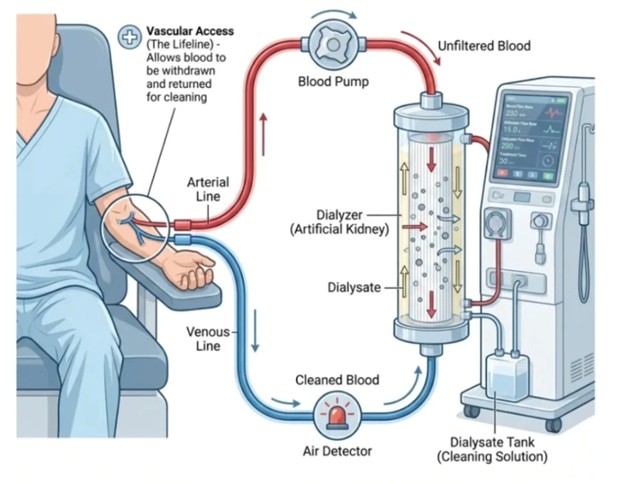
Understanding Hemodialysis: A Beginner-Friendly Overview
When chronic kidney disease progresses, hemodialysis supports essential filtration and fluid balance. Patient education and practical planning can reduce anxiety and improve adherence.

Chronic Kidney Disease: Early Detection and Risk Control Remain Central to Better Outcomes
Chronic kidney disease (CKD) continues to pose a major global health challenge due to its high prevalence, silent progression, and close association with cardiovascular complications. Early screening, timely diagnosis, and better control of diabetes and hypertension remain essential to slow disease progression and reduce kidney failure and mortality.
Diabetes: A Silent Metabolic Threat That Demands Earlier Detection and Lifelong Control
Diabetes is no longer a disease that can be viewed only through the lens of high blood sugar. It is a chronic metabolic disorder with systemic consequences affecting the heart, kidneys, eyes, nerves, and blood vessels. Earlier detection, risk-based prevention, and sustained long-term control are essential to reducing its growing global burden.

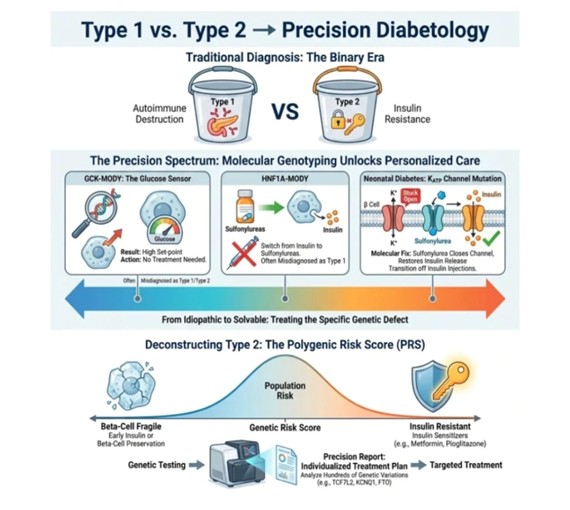
One Diagnosis, Many Diseases: The Case for Precision Diabetology
How molecular genotyping and polygenic risk scores are dismantling the Type 1 versus Type 2 binary and ushering in a new era of personalized diabetes care